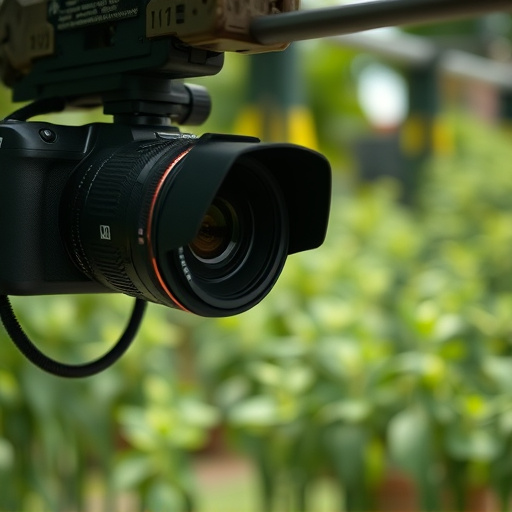
Discrete security cameras offer renters and landlords enhanced surveillance while respecting privacy, with strategic placement focusing on entry points and common areas. Adhering to local regulations and tenant agreements ensures legal use, fostering a secure environment without compromising tenant rights. Regular maintenance is key for optimal performance, promoting both safety and responsible tenancy. Landlords can improve property security and tenant trust through cost-effective camera rentals, deterring inappropriate behavior while encouraging open communication.
In today’s digital era, landlords and property managers are increasingly turning to discreet security cameras for renters as a cost-effective solution to enhance rental property security. This strategic guide delves into the art of placing disguised recording equipment effectively. From understanding the legal implications of discreet security cameras to identifying ideal spots for rentals, we explore best practices and benefits. Learn how these invisible sentinels can safeguard your properties without compromising tenant privacy.
- Understanding Discreet Recording Equipment and Its Legal Implications
- Identifying Ideal Placement Spots for Security Cameras in Rentals
- Best Practices for Effective Discreet Surveillance
- Benefits of Renting Discreet Security Cameras: A Cost-Effective Solution for Landlords
Understanding Discreet Recording Equipment and Its Legal Implications
Discreet recording equipment, often in the form of security cameras, offers renters and property managers a powerful tool for surveillance, especially in situations where open display might be unwanted or illegal. These devices are designed to blend seamlessly into their surroundings, making them ideal for maintaining privacy while still capturing valuable footage. For renters, understanding the legal implications is crucial when considering discrete security cameras. Many regions have strict regulations regarding hidden cameras, with laws varying based on consent, placement, and the purpose of recording.
Renters should be aware that placing discreet recording equipment in areas where there’s a reasonable expectation of privacy, like bathrooms or bedrooms, might violate tenant rights. It’s essential to check local tenancy agreements and privacy laws before installing any hidden cameras. Moreover, clear communication between the renter and property manager about surveillance is key to ensuring legal and ethical use of discrete security cameras for renters.
Identifying Ideal Placement Spots for Security Cameras in Rentals
When renting a property, discreet security camera placement is essential for both renters and landlords. The goal is to maintain a sense of privacy while ensuring safety and preventing potential issues. Ideal spots for security cameras should offer clear lines of sight, capturing entry points, common areas, and any high-value items within the rental unit. Strategically placed cameras near doors, windows, and living spaces can deter intruders and provide valuable evidence in case of an incident.
Consider using wall-mounted or ceiling-hidden cameras for a more subtle approach. These discrete security cameras for renters blend seamlessly into their surroundings, reducing the risk of tampering or theft. Additionally, ensure that camera placement complies with local laws and tenant agreements to avoid any legal complications and foster a safe and secure rental environment.
Best Practices for Effective Discreet Surveillance
When implementing a discreet surveillance strategy, especially with Discrete Security Cameras for Renters, placement is key. Positioning cameras in visible yet non-obtrusive areas maximizes their effectiveness while minimizing potential privacy concerns. Consider common entry points like doors and windows, as well as high-traffic zones within the property. Mounting them at eye level or slightly elevated offers a broader field of view without appearing too intrusive. Natural features like corners or behind furniture can provide cover for these devices, making them less noticeable.
Regular maintenance and testing are crucial practices to ensure optimal performance. Check camera angles regularly, clean lenses to prevent dust buildup, and verify power sources to avoid unexpected failures. For renters, a well-planned and executed discreet surveillance setup not only enhances security but also demonstrates responsible tenancy.
Benefits of Renting Discreet Security Cameras: A Cost-Effective Solution for Landlords
Landlords often face a delicate balance between ensuring the safety and security of their properties and respecting the privacy of tenants. One effective solution to this dilemma is adopting a strategy that includes renting discreet security cameras. This approach offers numerous advantages for both landlords and renters alike.
Firstly, it provides cost-effectiveness as landlords can avoid the high upfront costs associated with purchasing and installing complex surveillance systems. Renting allows them to quickly and easily set up surveillance without significant investment. Additionally, these discrete security cameras offer a subtle yet powerful deterrent against potential theft, damage, or inappropriate behavior from tenants. By integrating this technology into their property management strategy, landlords can create a safer environment while maintaining open communication and trust with their renters.
Discreet security cameras for renters offer a cost-effective solution for landlords seeking enhanced property security. By strategically placing these advanced recording devices, as outlined in this guide, you can ensure optimal surveillance without compromising privacy. Understanding the legal implications and best practices highlighted here will empower you to make informed decisions, providing a safe and secure environment for all tenants.